
Learning Differences
Expanding Circles of Change: From Individual Healing to Community Transformation
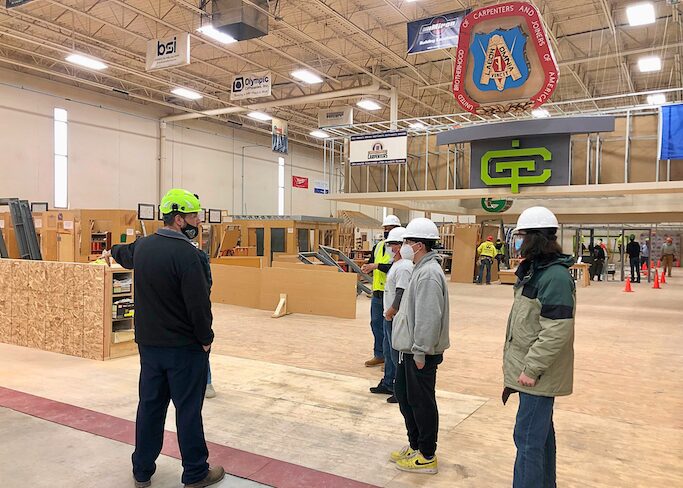
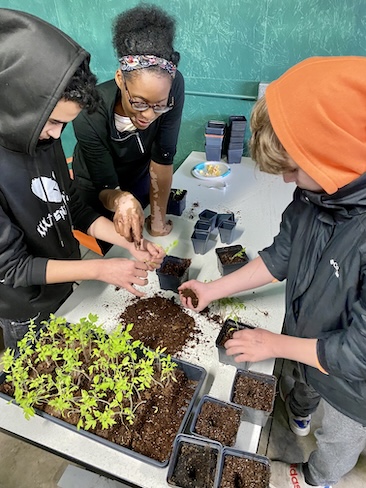
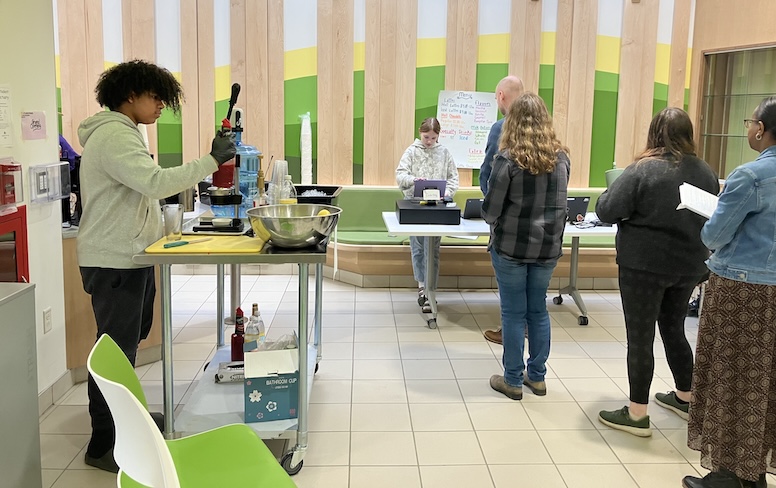
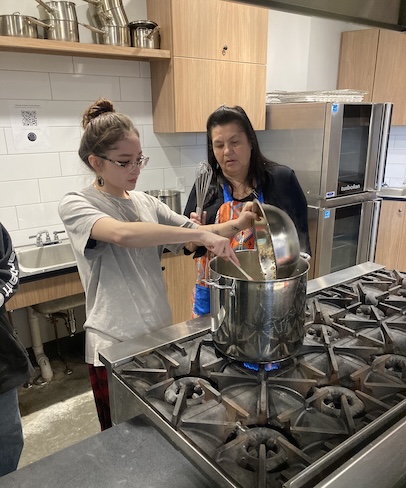
Learner-Centered Education and Learning Differences
Learning differences are a natural part of human diversity. Learner-centered education—an approach that starts with each young person’s strengths, needs, and interests—creates environments where learners can thrive.
For young people with learning differences in particular, learner-centered education provides the guidance and conditions for their strengths to emerge and develop through responsive, community-connected learning.
To understand how this manifests in practice, we conducted a collaborative multi-case study, drawing on the collective expertise of learner-centered professionals serving as co-researchers in a community of inquiry. Together, we examined the approaches of three learner-centered environments: Avalon School, LaFayette Big Picture School, and Norris School District.
With funding provided in part by Oak Foundation, this series highlights evidence-based insights and strategies to show how learner-centered environments systematically support youth with learning differences and create expanding circles of positive transformation.
- Research Synthesis
- The Research Series Synthesis is designed to give readers an overview of our learning differences research, including a study overview, our approach, the impact, and considerations for policy influencers. Read More
- Research Background and Methodology
- Research Overview: A Collaborative Multi-Case Study of Learner-Centered Education and Learning Differences describes our collaborative multi-case study, detailing the research methodology, the three participating sites, and the preliminary findings from the investigation. Read More
- Evidence-Based Practices by Learning Difference
- Addressing Specific Learning Differences Through Learner-Centered Education: Evidence from Practice and Literature examines how the participating sites address specific types of learning differences (e.g., ADHD, dyslexia, autism) and aligns findings with scholarly research on evidence-based approaches. Read More
- The Approach
- The Approach: Reimagining Support for Learning Differences Through Learner-Centered Education examines how learner-centered environments reframe mindsets, redesign organizational architecture, and realize daily practices that better support young people with learning differences. Read More
- The Impact
- The Impact: The Ripple Effect of Reimagining Support for Learning Differences explores results of this shift, in which learners rebuild identity and agency, peers and educators shape cultures of mutual support, and families and community partners experience meaningful, reciprocal value. Read More
- Policies and Conditions
- Navigating Policies and Conditions: Supporting Youth with Learning Differences in Learner-Centered Environments investigates how policies and conditions affect the studied environments, examining how these sites navigate constraints and leverage flexibility to serve youth with learning differences. Read More
Resources
Shaping Schools to Fit Students With Disabilities Leads to Academic Gains
This article from The 74 details the findings from our Learning Differences series. The reports highlight significant academic gains, including improved reading and math scores for students with IEPs, higher graduation rates, and a decline in behavioral incidents across all three sites.

Learner-Centered Design: Supporting Young People with Learning Differences
When we design for learners at the margins, we create environments where all young people can thrive. This short film highlights how young people with learning differences are achieving goals they never imagined with intentional support from the team at Norris School District.
3 Daily Practices to Build a Learner-Centered Classroom
In an article for Edutopia, Lindsy Ogawa highlights three daily practices any educator can adopt to create a more learner-centered environment, including treating behavior as communication. Grounded in our learning differences research, these practices can help foster inclusion for all.
Educating All Learners Alliance (EALA) Podcast: Needs to Strengths Series
This four-part series digs into our learning differences work as Aurora Dreger interviews practitioners and researchers, including Kim Carter (QED Foundation), Johnna Noll (Norris School District), Lela Bell Wesley (Big Thought), and Lindsy Ogawa (Education Reimagined).
Reimagining Support: What Parents Find in Learner-Centered Environments
In an article for Youth Today, Dr. Khara Schonfeld highlights how learner-centered environments are successfully serving young people with learning differences. From invisible accommodations to building self-advocacy from day one, intentional design can empower all learners to succeed.

When Accommodations Are the Norm, Not the Exception
When accommodations are embedded into a system, young people find themselves in a space where they can truly thrive. In this article, Lindsy Ogawa explores how learner-centered environments are reimagining structures, supports, and mindsets to empower every learner.