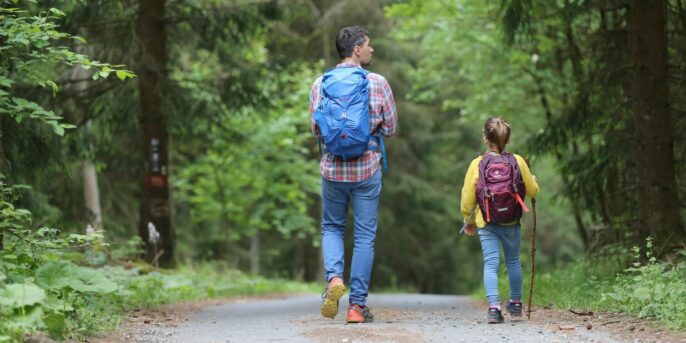
When Vermont’s Act 77 gave schools the permission to recognize Flexible Pathways to Graduation over a decade ago, Big Picture Learning and Vermonters who believe in putting students at the center of their learning were hopeful that learning opportunities outside of school would be encouraged and begin to flourish. As the years clicked by, we found that despite best intentions and a blessing from above, the mindset of what it means to learn remains stuck in the 100-year-old conventional factory model notions of “school” with many still believing that learning only counts if it happens in classrooms, from a book, and is measured by a test. I am often asked, “How do we know if they’re learning out there?” To which I counter, “Can you be sure they’re actually learning in here?”

This tension sits at the heart of Elliot Washor and Scott Boldt’s book Learning to Leave. They remind us that meaning and mattering are highly significant aspects of learning that are often overlooked or discounted in school. Yet, if a young person feels their work matters and if it carries meaning in their lives, the learning stays. If not, it slips away. Washor frames it perfectly: “New ways lead to new forms, and that leads to new measures.” That line has guided much of my own work. It is also the spirit of B-Unbound—Big Picture Learning without the boundaries of school. B-Unbound is youth-driven and adult-supported. Simply put, youth are the curriculum, the community is the school. When we connect young people with mentors and organizations linked to their interests, we provide opportunities to work in the real world where they find meaning and discover mattering.
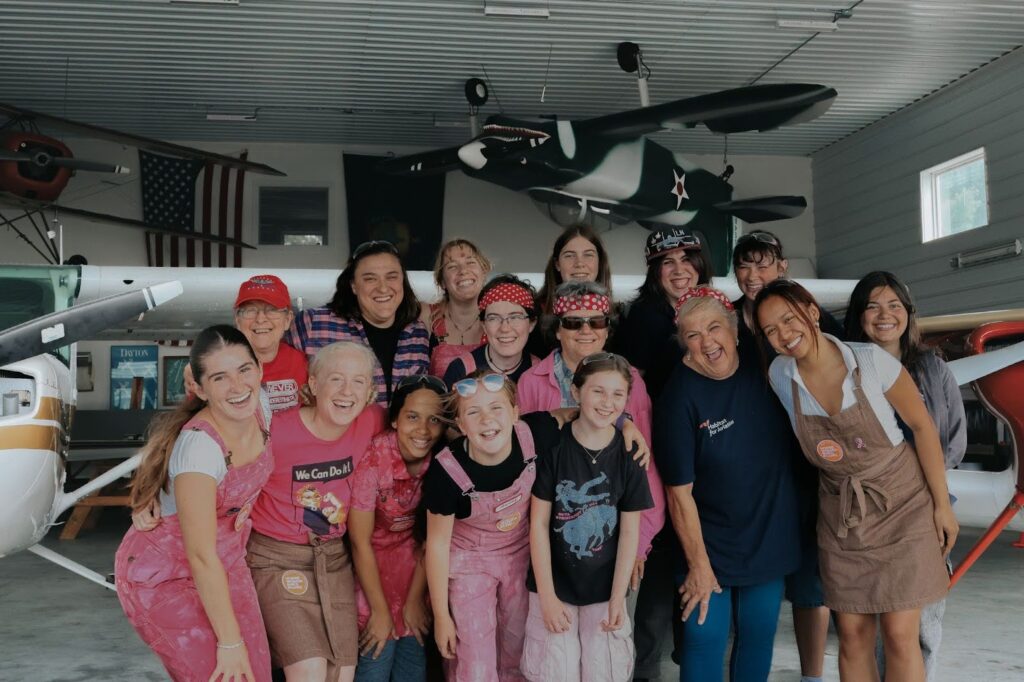
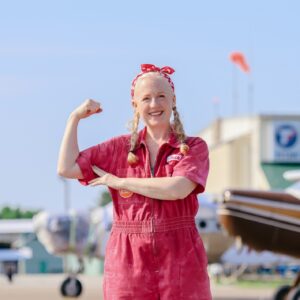
At the nonprofit organization I started to support the next generation of airplane mechanics and pilots, Habitat for Aviation, I’ve had the privilege of putting Big Picture Learning’s philosophy into practice, particularly through our WOMEN BUILD PLANES program. Our hangar at Franklin County State Airport in Highgate, Vermont, has become a place where young people learn side by side with mentors—not just about aviation, but about themselves. We are doing more than building an airplane. In my unique role as a school design coach and nonprofit founder implementing the Big Picture approach in this out-of-school space, I travel to schools to sit with students, teachers, and families to realize the intention behind Act 77’s Flexible Pathway initiative and make space and new avenues for students to find and explore what makes their hearts sing—and to get the schools to award credit or proficiencies for doing so. Together, we are building personal learning plans that honor the student at the center. It is resource-intensive work, but the impact is undeniable.
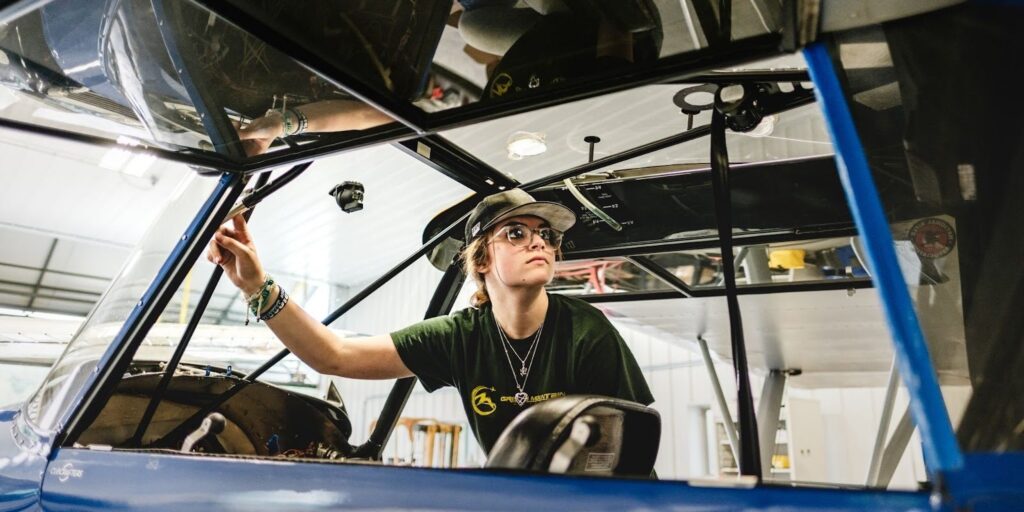
Take Emma Cornett, who came to Franklin County State Airport for a shadow day, curious about aviation maintenance. Alongside master mechanic George Coy—a supportive adult mentor and a co-navigator of this new interest area—Emma’s interest blossomed, and she became very interested in learning everything she could about the industry. Together, we built a schedule that elevated respect for this out-of-school learning and awarded her credit for time spent in the hangars. Emma shared that she never felt like she belonged in school the way she did in the hangar, where she was learning things that mattered to her.
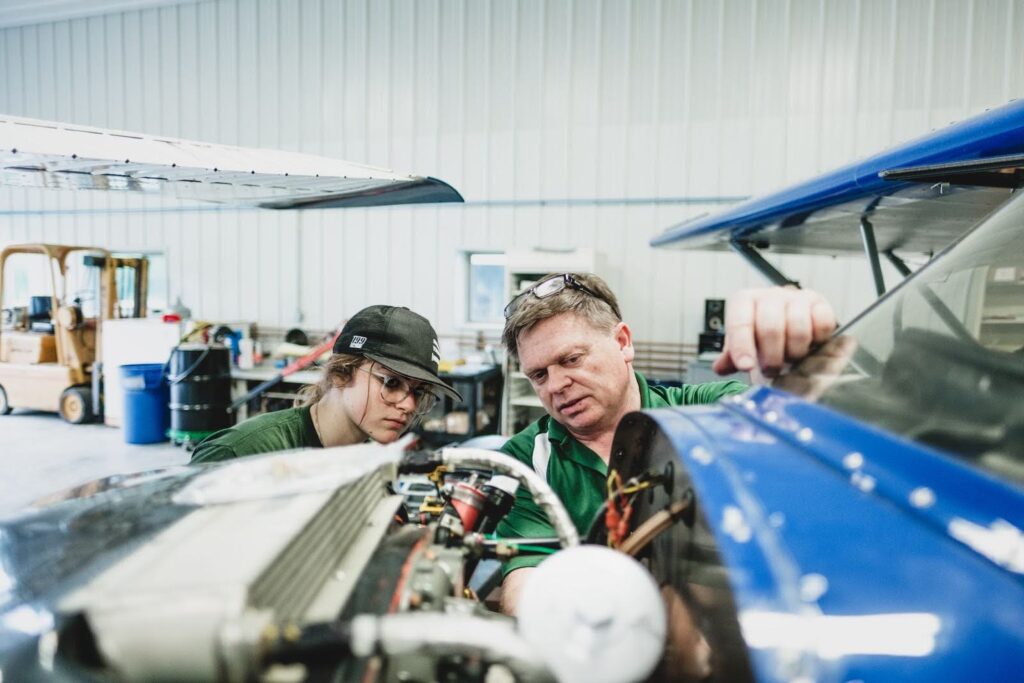
When Emma and George hit a snag with the instrument panel on a vintage Cessna 150, they called Bill Hanf of Green Mountain Avionics, and Emma couldn’t stop talking about it the next day at our WOMEN BUILD PLANES session. Her excitement led us to suggest an informational interview with Bill, which grew into a shadow day, then a Harbor Freight Fellowship, then a part-time job, and eventually a full-time position—all while she was still in high school. We added these out-of-school learning experiences to her Personal Learning Plan, which gave Emma the traction (and competencies) she needed to graduate a year early. Today, she is studying at Nashua Community College in their Airframe & Powerplant (A&P) program, already ahead of her peers.
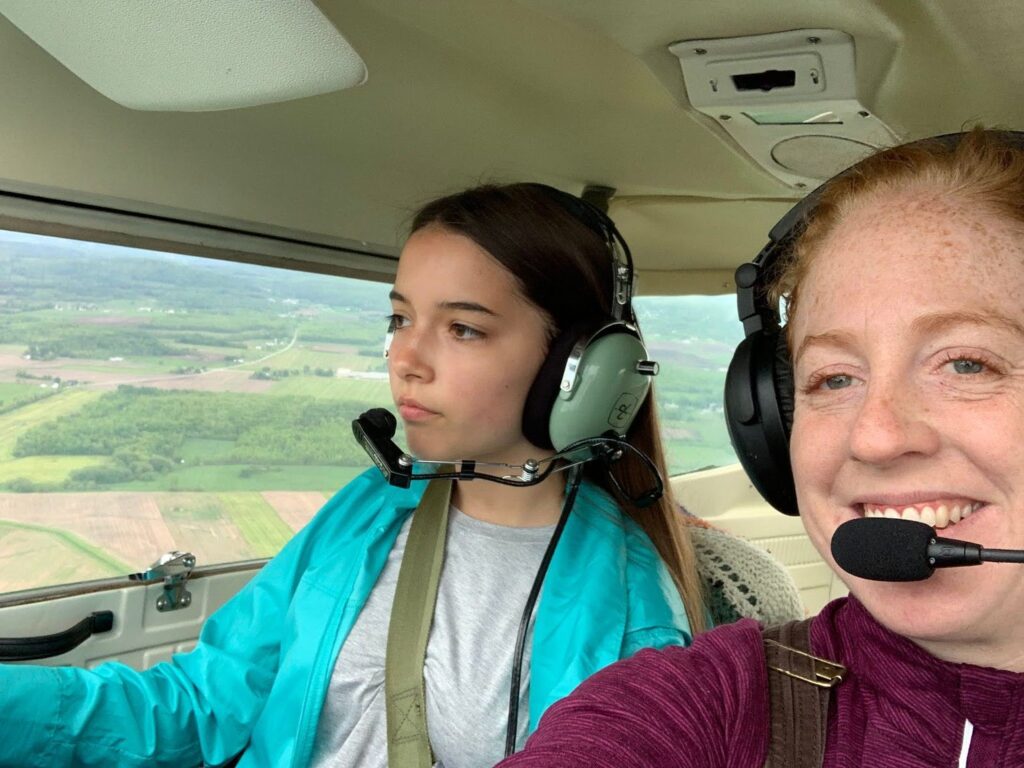
Take Miranda Gallagher, who came to the airport as part of a STEM summer camp at age 11, where she received a flyer for a FREE flight through the EAA Chapter 613 Young Eagles Program, and I was her pilot. That flight set her on a path that kept her coming back—first as a camper, then a builder, and eventually a mentor. With support from her advisor, she earned credit for her time apprenticing in our hangar and later interning at BETA Technologies, a Vermont company leading the way in electric aerospace, an internship that opened her eyes to what was possible.
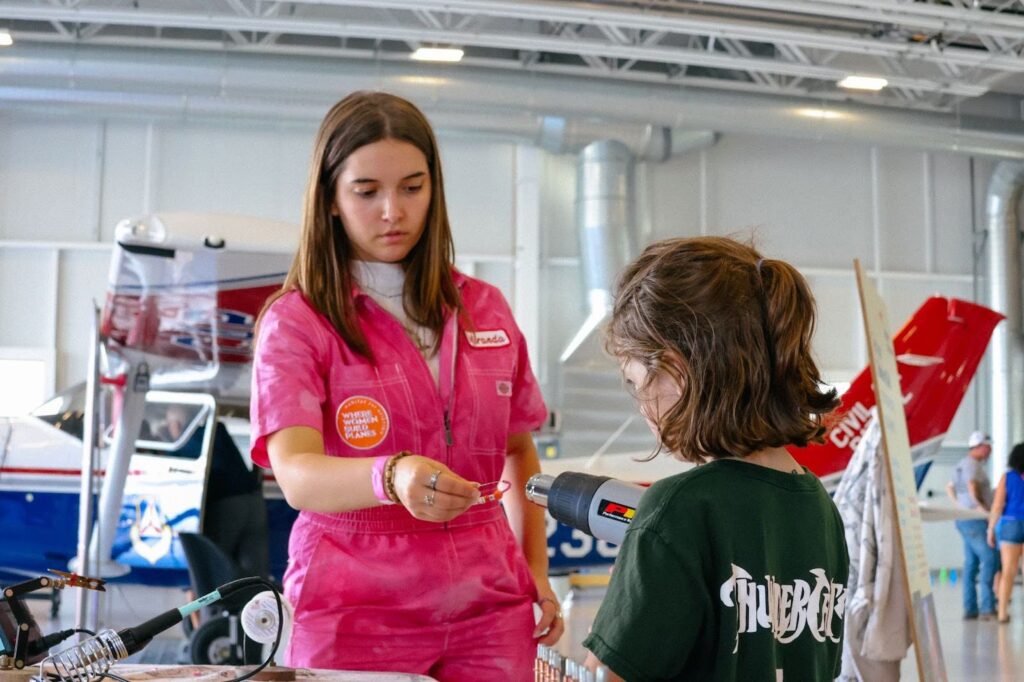
Through the Harbor Freight Fellowship Initiative, Miranda logged hundreds of hours with mentors like George, Cliff, Bob, Doyle, and Steve. Before her fellowship, she wasn’t sure higher education was in her future. But the combination of belonging, opportunity, and mentorship that questioned and supported her thinking about the future shifted her trajectory. She grew in skill and confidence, taking on real work and finding her place in a field she hadn’t pictured herself in before.
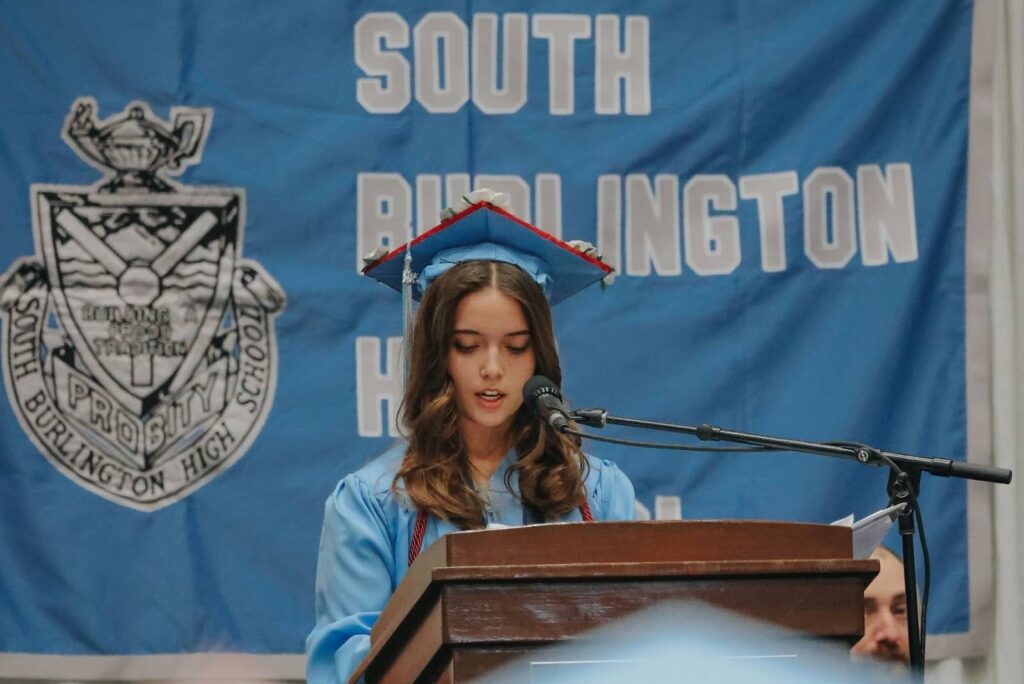
Miranda grew from a shy kid into the steady voice of our team, someone younger peers turned to for guidance, and someone who stood by me during my own cancer treatment. With credit for her out-of-school experiences, she carved out time in her senior year for early college. Today, she’s on a full ROTC scholarship to Worcester Polytechnic Institute, studying aerospace engineering. Watching her transformation—from camper to mentor, from uncertain student to confident ambassador for Big Picture Learning and Habitat for Aviation—reminds me every day of why this work matters.
Emma and Miranda are not outliers—they are examples of what happens when schools and community organizations create new forms of learning. The rigor is there. Students calculate weight and balance, measure sheet metal down to 1/32 of an inch, read aircraft manuals, log hours, and present their work to community partners. These are the New Forms and New Measures that Washor and Boldt speak about in their book. Most of our youth have gone on to train for and pass their private pilot check rides. In fact, over the past seven years, more than 18 youth in our orbit have earned their private pilot license just before or just after graduating high school. The skills they gain have an immediate impact. They don’t ask, “When will I ever use this?” They use it every day.
This is what B-Unbound makes possible. It creates the space for youth to pursue work that matters to them, with adults who care about them, in ways that carry meaning beyond a grade or a test. And it offers schools new ways to measure success. As someone who walks the talk, I am always pushing myself as a coach and mentor to find and elevate new forms and new measures, and as a result have been working for the past year and a half through getting trained on an exciting tool from our sister organization in Australia: The International Big Picture Learning Credential (IBPLC), which has become a powerful assessment tool for my work in documenting growth, skills, and purpose.
The opportunity ahead is clear. Nonprofits, businesses, and community organizations can take Big Picture Learning’s B-Unbound model and engineer opportunities for young people to work alongside mentors—adults sharing what they love, opening their worlds in ways that welcome young people into real and meaningful work. When schools partner with organizations and recognize this learning, everyone wins.
At Habitat for Aviation, we’ve seen firsthand how a philosophy in which “new ways lead to new forms, and that leads to new measures” can change lives. Big Picture Learning’s motto: One Student at a Time in Community, allows us to build new habitats of belonging and purpose. When students find meaning and mattering in their communities alongside supportive adults doing real work, the learning stays with them—for life.